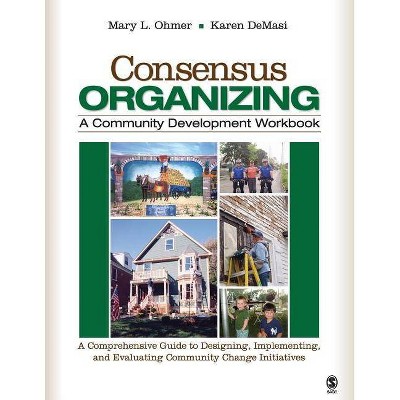
Consensus Organizing - by Mary L Ohmer & Karen Demasi (Paperback)
Similar Products



Products of same category from the store
All






Product info
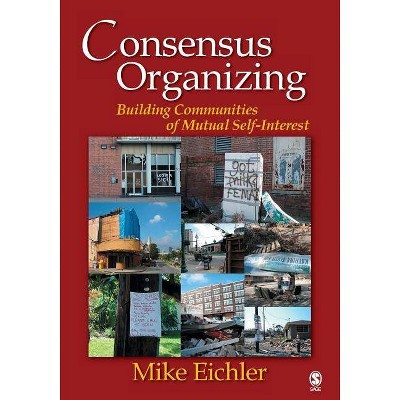
<p/><br></br><p><b> About the Book </b></p></br></br>A person doesn′t have to be a consensus organizer to think like one. <b>Consensus Organizing: A Community Development Workbook--A Comprehensive Guide to Designing, Implementing, and Evaluating Community Change Initiatives </b>helps students and practitioners begin to think like consensus organizers and incorporate this way of strategic thinking into their lives and their work. Through a wide range of exercises, role-play activities, case scenarios, and discussion questions, this workbook presents the conceptual framework for consensus organizing and provides a practical and experiential approach to understanding and applying consensus organizing to address a range of issues. This workbook is designed to be used by itself or along with Mike Eichler′s text <i>Consensus Organizing: Building Communities of Mutual Self Interest </i>(SAGE, 2007). <br/><b><br/>Accompanying Website</b> <br/>Instructors and students have access to the many activities and cases on the accompanying website at www.sagepub.com/ohmerworkbookstudy.<p/><br></br><p><b> Book Synopsis </b></p></br></br>A person doesn′t have to be a consensus organizer to think like one. <b>Consensus Organizing: A Community Development Workbook--A Comprehensive Guide to Designing, Implementing, and Evaluating Community Change Initiatives </b>helps students and practitioners begin to think like consensus organizers and incorporate this way of strategic thinking into their lives and their work. Through a wide range of exercises, role-play activities, case scenarios, and discussion questions, this workbook presents the conceptual framework for consensus organizing and provides a practical and experiential approach to understanding and applying consensus organizing to address a range of issues. This workbook is designed to be used by itself or along with Mike Eichler′s text <i>Consensus Organizing: Building Communities of Mutual Self Interest </i>(SAGE, 2007). <br/><b><br/>Accompanying Website</b> <br/>Instructors and students have access to the many activities and cases on the accompanying website at www.sagepub.com/ohmerworkbookstudy.<p/><br></br><p><b> Review Quotes </b></p></br></br><br><em>Mary Ohmer and Karen DeMasi have carefully (and possibly lovingly) written a book that can be used as a workbook and/or a resource in both the classroom and for staff trainings, and with some adjustments, in community settings to enhance resident capacity and skills. </em>--Patricia W. Murphy (10/6/2009 12:00:00 AM)<br><br><em>The world is changing rapidly and the practice of Community Organizing needs to change with it. Representing both an homage to, and a departure from the alinsky traditions of organizing, <strong>Consensus Organizing</strong> offers techniques that are specifically designed for urban and rural communities struggling to succeed in the global economy and the information age. Ohmer and DeMasi are experienced organizers who offer a relentlessly thorough examination of the process of bringing diverse communities together to make change and to bridge the ethnic and economic divisions that keep many communities from succeeding.</em>--Bill Traynor, Executive Director (9/4/2008 12:00:00 AM)<br><br>The case studies and class activities are excellent. The concise summary of consensus organizing would be useful.--Gary Paul Green "American Sociological Association" (6/8/2010 12:00:00 AM)<br>
Price History
Price Archive shows prices from various stores, lets you see history and find the cheapest. There is no actual sale on the website. For all support, inquiry and suggestion messages communication@pricearchive.us